My European Summer: Or, How to Make the Right Choices with the Right Information
My Italian summer wasn’t just about cities and coastlines. It was about choices — the ones every traveler faces, and the difference between making them blindly or with full transparency.
Flights: clarity at take-off
Like most trips these days, mine began with a metasearch – that’s a price comparison site for the uninitiated. One search opened up the entire market: low-cost and legacy carriers, direct routes and questionable layovers, bargain-basement seats and humane schedules. No single airline website could curate what I was shown; the choices I got let me decide what works for me. Transparency in this case wasn’t about saving a few euros. It was about seeing all the options before deciding how to start my journey.
Take Rome: I had no intention of going this summer. Yet Rome was the cheapest gateway to Italy, and by far. A couple of days in the Eternal City suddenly became the obvious call.
Spoiler: it was obviously the right call…
Stays: big chains, independents, private hosts
Next came accommodation. In Rome, the usual hotel chains were there, and for good reason. But side by side were dozens of private hosts offering apartments in quieter corners of the city. On paper, it’s a gamble. But the sheer volume of verified reviews changed the equation. As a young traveller without a family, I didn’t need breakfast buffets, room service, or kids’ activities. What I needed was a walkable location, and a calm morning espresso (plus a few bars in the area). That’s exactly what I got.
This is the real point of transparency: not just variety, but relevance. Platforms don’t decide for you — they give you the information and choice. Dog-friendly stays, family gardens, or budget studios, it’s all there, filtered and checked by other travellers who’ve actually been.
Rome to Naples
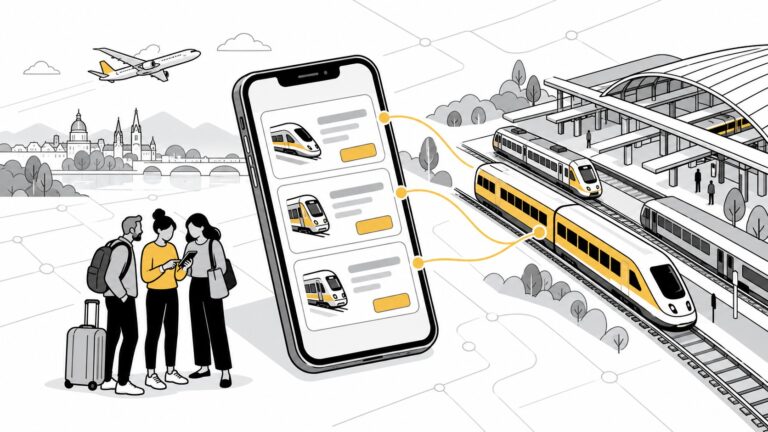
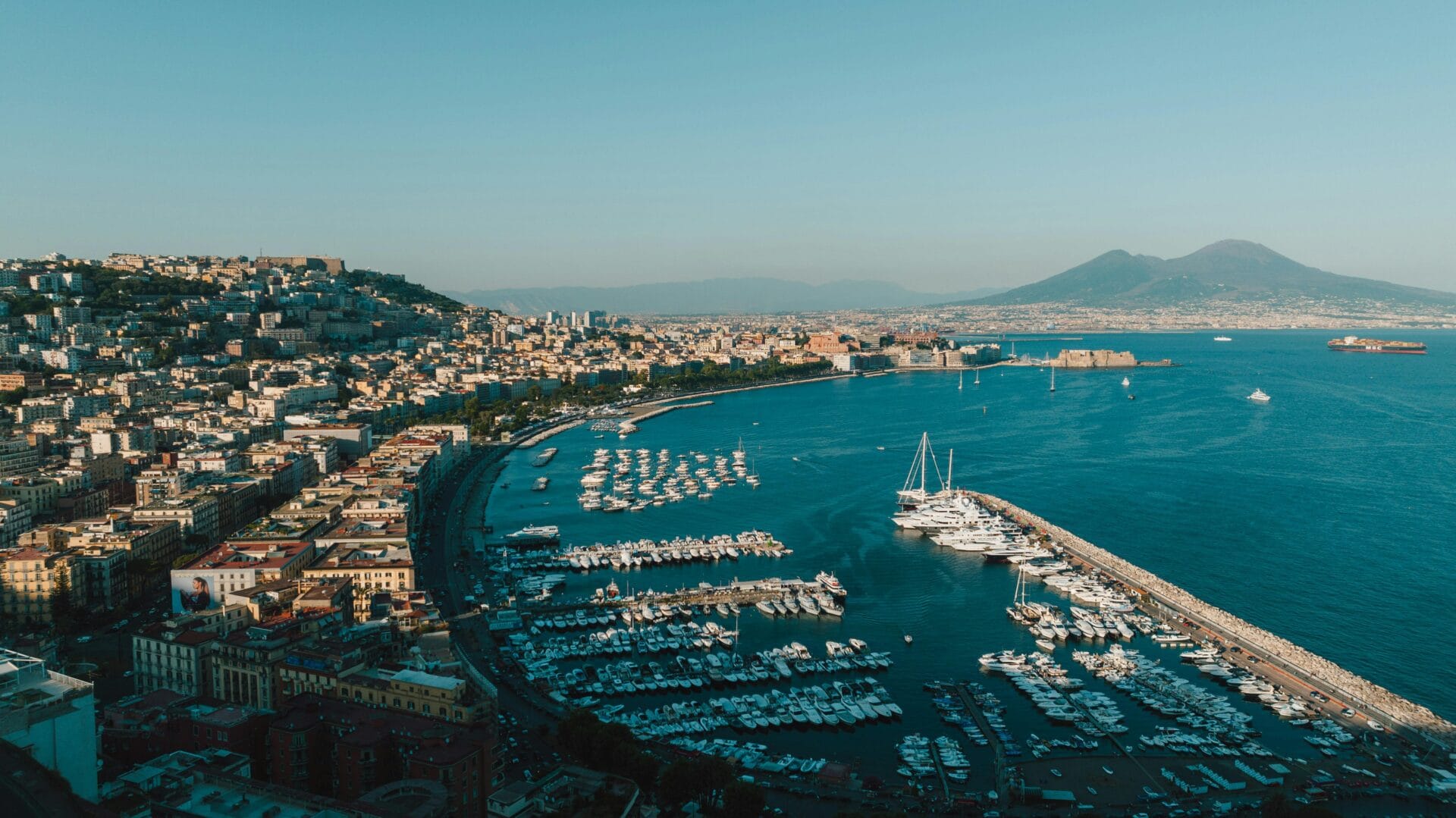
To reach the “best pizza in the world,” I first had to catch a train to it. My instinct was to check Trenitalia, the incumbent operator. But on its website, I saw only Trenitalia trains. On an OTA, though, I also found Italo — which that day was faster, cheaper, and ultimately a better choice for me.
The lesson here wasn’t competition itself, but its visibility. Competition works only if travellers can see their options.
Finally, reviews really mattered at every step
We spent the last week of our European summer roaming around Puglia. While in Rome and Naples I knew I wanted to see the forum and climb Mount Vesuvio, I only agreed to go to Puglia because my friends insisted, so clearly I was in the dark.
Reviews guided me to the right restaurants, the less crowded beaches, the bars that were worth the price.
I wasn’t checking whether picturesque towns were photogenic — I trusted they were. What mattered was: would I regret the uphill climb in the August heat? Would there be food options within my budget? Was the small museum worth an hour of my holiday? Honest reviews, flattering or not, answered those questions. Transparency here wasn’t glossy; but it was honest. And that’s exactly what I needed
The wider lesson
Let’s be honest: you don’t need to convince me intermediaries improve travel. It’s my job to know (and convince you). But what I want to emphasize is the confidence with which I made each decision: how to fly, where to stay, which train to catch, even where to eat. I was never really in the dark.
That confidence wasn’t accidental — it’s the product of transparency. Without it, my trip would have been more generic, more expensive, and less certain. With it, I had knowledge, trust, and freedom. So ultimately, what travel tech enabled was simple but essential: every decision I made was based on clarity, not chance.
 This Op-Ed has been authored by:
Jakov Sharevski, Policy and Communications Officer at eu travel tech